Showing posts with label get your blog noticed. Show all posts
Showing posts with label get your blog noticed. Show all posts
Wednesday, January 14, 2015
7 Alternative Rules of Innovation
1. Think coalitions, new working teams. Choose home workers, part time workers, others based on talent, drive and results.
2. Become resilient through local funding first, investment in people, support networks.
3. Your greatest innovators may not even work for you, they may be your customers, your suppliers or your support network.
4. If you are a dinosaur, learn to dance. Don't wait. Don't be afraid of looking stupid. Otherwise you'll end up on the sidelines while the rest are at a party.
5. Offer clear value. Make it obvious.
6. Invest in your education. Do courses. Do them online, offline or inline. But do them.
7. Listen to your talent. Top down decision making is stone age thinking. Experiment with ideas.

Sunday, January 19, 2014
Newsjacking & Social Media Updated
What is newsjacking?
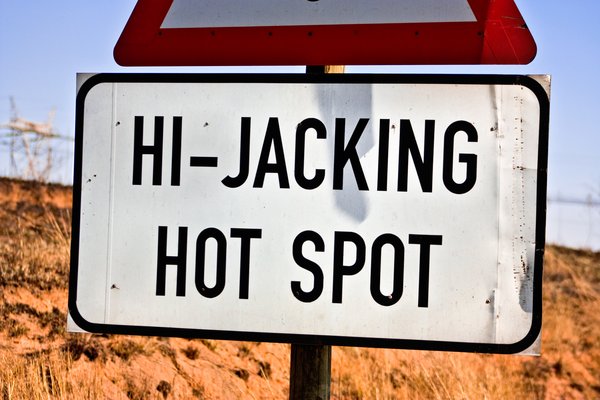
Newsjacking is inserting yourself or your organisation into a story that is being covered in the media. You do this by commenting prominently on the story online or by providing a link to a relevant post on your blog or web site.
Examples of this include a marketing expert suggesting a marketing plan for Occupy Wall Street, a software company president talking about a major industry takeover and inserting his own company into subsequent media stories because of the relevance of his comments and the London Fire Brigade offering Kate Winslett training after she was involved in a fire on Richard Branson's private retreat in the British Virgin Islands.
The purpose of newsjacking is to get people to click on your link, to get traffic to your site and gain visibility.
And it works.
The rules of newsjacking are that you have to insert yourself quickly into the story, coming late means the story had played out, that you have to have something relevant to say, and that you post or web site supports what you say.
The PR industry is changing. No longer is it good enough to simply push out press releases to friendly journalists and hope they will cover your story. Now you have to find a real link between something happening in the media or in the world and whatever you are promoting.
Social media is the glue that binds all this together. It's where you contact journalists covering the story and refer them to your blog post and where you inform people that you have a post and a real connection to the media article.
My highest spike in blog viewers came when I made a relevant post on the UK Guardian book page and on the New York Times in one day. That day I got over 500 views. My comment was one of the first on that page, I had something relevant to say and the comment had a link in it to my blog.
Old fashioned PR isn't entirely dead, but it's changing fast.
To support this site - over 60 free posts so far on social media for you to explore - please buy one of my novels, The Istanbul Puzzle or The Jerusalem Puzzle or my guide to social media. And enjoy!
Newsjacking is inserting yourself or your organisation into a story that is being covered in the media. You do this by commenting prominently on the story online or by providing a link to a relevant post on your blog or web site.
Examples of this include a marketing expert suggesting a marketing plan for Occupy Wall Street, a software company president talking about a major industry takeover and inserting his own company into subsequent media stories because of the relevance of his comments and the London Fire Brigade offering Kate Winslett training after she was involved in a fire on Richard Branson's private retreat in the British Virgin Islands.
The purpose of newsjacking is to get people to click on your link, to get traffic to your site and gain visibility.
And it works.
The rules of newsjacking are that you have to insert yourself quickly into the story, coming late means the story had played out, that you have to have something relevant to say, and that you post or web site supports what you say.
The PR industry is changing. No longer is it good enough to simply push out press releases to friendly journalists and hope they will cover your story. Now you have to find a real link between something happening in the media or in the world and whatever you are promoting.
Social media is the glue that binds all this together. It's where you contact journalists covering the story and refer them to your blog post and where you inform people that you have a post and a real connection to the media article.
My highest spike in blog viewers came when I made a relevant post on the UK Guardian book page and on the New York Times in one day. That day I got over 500 views. My comment was one of the first on that page, I had something relevant to say and the comment had a link in it to my blog.
Old fashioned PR isn't entirely dead, but it's changing fast.
To support this site - over 60 free posts so far on social media for you to explore - please buy one of my novels, The Istanbul Puzzle or The Jerusalem Puzzle or my guide to social media. And enjoy!
Thursday, February 14, 2013
Easy Guide to Using Keywords to Get your Blog Noticed
Key words is one of those dark arts that most people don't bother with in their blogs. We know there may be something in it, but have we got the time to get it right for every post?
Here are some simple things you can do to make keywords work for you as part of your strategy to get your blog or site noticed.
1. Think about a set of keywords that define what you provide. This can be tricky or easy depending on how straightforward what you do is. One way to think about this is what problem or problems you help people solve. If you can think of a few of these the keywords and phrases should flow more easily.
2. Use Google ToolWords to analyze key words or a site such as ispionage.com, where you can get free suggestions for keywords or Ranks.nl where you can get a free keywords/phrases analysis of the top ranking site on Google for the keywords/phrases you have defined. I'd like to point that I have no commercial connnection to any of these services. Below is an image of the results from a Ranks.nl search of the URL of the top ranking Google site that comes up when you put the search/key phrase "get your writing noticed" into Google. This is one of the topics I will be running courses on, so who ranks high on this search, and why, is of interest to me. As you can see the repetition of the key phrase in the text of the page is helping to raise this page in Google.
3. Don't use the above to put in too many references to your key phrases/words either. That can be spotted and loose you your position. Keep it natural, but make sure you have a few references to your words and phrases in your blog/site text each time you post.
4. Don't forget you can include key words and phrases in the page URL (if you have that option), the title, image alt text and description/caption, and headings and of course meta descriptions (if you have access to those) as well as the page copy. Including key words and phrases in titles and headings is particularly important, if you can do that naturally.
To me this can all be summarised as, understanding what your keywords are and then being aware that you can include them in your text and elsewhere in each post.
I can't say how far you will move up the rankings by using the above, but I have been told by someone who works for one of the largest online news sites in the world that this is what they are doing for every post.
Good luck with getting your blog noticed by using keywords.
To support this site - over 60 free posts so far on social media for you to explore - please buy one of my novels, The Istanbul Puzzle or The Jerusalem Puzzle or my guide to social media. And enjoy!
Here are some simple things you can do to make keywords work for you as part of your strategy to get your blog or site noticed.
1. Think about a set of keywords that define what you provide. This can be tricky or easy depending on how straightforward what you do is. One way to think about this is what problem or problems you help people solve. If you can think of a few of these the keywords and phrases should flow more easily.
2. Use Google ToolWords to analyze key words or a site such as ispionage.com, where you can get free suggestions for keywords or Ranks.nl where you can get a free keywords/phrases analysis of the top ranking site on Google for the keywords/phrases you have defined. I'd like to point that I have no commercial connnection to any of these services. Below is an image of the results from a Ranks.nl search of the URL of the top ranking Google site that comes up when you put the search/key phrase "get your writing noticed" into Google. This is one of the topics I will be running courses on, so who ranks high on this search, and why, is of interest to me. As you can see the repetition of the key phrase in the text of the page is helping to raise this page in Google.
 |
| How keywords got one site to Number One in Google |
3. Don't use the above to put in too many references to your key phrases/words either. That can be spotted and loose you your position. Keep it natural, but make sure you have a few references to your words and phrases in your blog/site text each time you post.
4. Don't forget you can include key words and phrases in the page URL (if you have that option), the title, image alt text and description/caption, and headings and of course meta descriptions (if you have access to those) as well as the page copy. Including key words and phrases in titles and headings is particularly important, if you can do that naturally.
To me this can all be summarised as, understanding what your keywords are and then being aware that you can include them in your text and elsewhere in each post.
I can't say how far you will move up the rankings by using the above, but I have been told by someone who works for one of the largest online news sites in the world that this is what they are doing for every post.
Good luck with getting your blog noticed by using keywords.
To support this site - over 60 free posts so far on social media for you to explore - please buy one of my novels, The Istanbul Puzzle or The Jerusalem Puzzle or my guide to social media. And enjoy!
Thursday, October 11, 2012
Interactivity on social media
Getting people to engage with you, to contribute to your blog or your Facebook page is an important element in getting social media right. Why? Because people are more likely to remember you and come back if they engage.
But how can you get people to engage?
1. Ask for participation often. Let people comment anonymously and by using their social media identities if they prefer.
2. Make engagement the centerpiece of the post or for a period on your site. Ask people to post their own links and to talk about what they do. Sure, you will get some people putting up advertising, but if the links are too much you can always simply delete the ones that breach your guidelines.
3. Ask people to post images. You can run a contest for the best photo of your product in a strange situation for instance.
4. Ask for text contributions or submissions of some type to win a review or some other real prize.
5. Build community in from the start. Facebook group are a perfect example of that. Start a group. People know what's expected on LinkedIn and Facebook groups and on other sites with groups or tribes.
6. Make your post about a burning issue. Take a stand and ask for contributions. Make it about something important and up to the minute and make your contribution genuine and open.
7. Be persistent. Don't give up if it's difficult at the start. Give it a reasonable amount of time, but don't forget to move on too, if you need to. Social media is about balancing experimentation with persistence.
In the spirit of this post, please make your own suggestions below as to how to improve interactivity and post a link to your own site so we can see what you do and visit you.
To support this site - over 60 free posts so far on social media for you to explore - please buy one of my novels, The Istanbul Puzzle or The Jerusalem Puzzle or my guide to social media. And enjoy!
But how can you get people to engage?
1. Ask for participation often. Let people comment anonymously and by using their social media identities if they prefer.
2. Make engagement the centerpiece of the post or for a period on your site. Ask people to post their own links and to talk about what they do. Sure, you will get some people putting up advertising, but if the links are too much you can always simply delete the ones that breach your guidelines.
3. Ask people to post images. You can run a contest for the best photo of your product in a strange situation for instance.
4. Ask for text contributions or submissions of some type to win a review or some other real prize.
5. Build community in from the start. Facebook group are a perfect example of that. Start a group. People know what's expected on LinkedIn and Facebook groups and on other sites with groups or tribes.
6. Make your post about a burning issue. Take a stand and ask for contributions. Make it about something important and up to the minute and make your contribution genuine and open.
7. Be persistent. Don't give up if it's difficult at the start. Give it a reasonable amount of time, but don't forget to move on too, if you need to. Social media is about balancing experimentation with persistence.
In the spirit of this post, please make your own suggestions below as to how to improve interactivity and post a link to your own site so we can see what you do and visit you.
To support this site - over 60 free posts so far on social media for you to explore - please buy one of my novels, The Istanbul Puzzle or The Jerusalem Puzzle or my guide to social media. And enjoy!
Monday, July 9, 2012
Social Media in practice #2: An update: SM 4 a London premium property site
This post is the second in a series about putting social media theory into practice.
A small premium property agency in London has been looking to update their web site. Over a two day period I created the following blog:

It features a listing of properties prominently and is almost a crossover between a property listing site and a blog.
I then created two Twitter accounts - this is one:

This post is an update on the results in the past two weeks.
The blog/web site has had 263 views in two weeks. The best day was last Thursday, when 40 views were recorded. Here is a listing of where people have come from who viewed the site over the last few weeks:

Two Twitter accounts will slowly follow people interested in property in London. Already, within two weeks, they have 627 followers. A few of these will be likely clients. I don't expect much of a return for the time involved in setting all this up, Tweeting daily, and reporting on it all, until about three months has passed
The Twitter account tweets a 50% mix of links to the Allytta blog and 50% London/property industry news.
The main benefits so far are probably more about good client relationships, but I do expect real business to be generated from the site and Twitter feeds soon. What do you think?
Come back here each month and I will update you on progress on this real life example of the use of social media for an SME business in the UK.
A small premium property agency in London has been looking to update their web site. Over a two day period I created the following blog:
It features a listing of properties prominently and is almost a crossover between a property listing site and a blog.
I then created two Twitter accounts - this is one:

This post is an update on the results in the past two weeks.
The blog/web site has had 263 views in two weeks. The best day was last Thursday, when 40 views were recorded. Here is a listing of where people have come from who viewed the site over the last few weeks:

Two Twitter accounts will slowly follow people interested in property in London. Already, within two weeks, they have 627 followers. A few of these will be likely clients. I don't expect much of a return for the time involved in setting all this up, Tweeting daily, and reporting on it all, until about three months has passed
The Twitter account tweets a 50% mix of links to the Allytta blog and 50% London/property industry news.
The main benefits so far are probably more about good client relationships, but I do expect real business to be generated from the site and Twitter feeds soon. What do you think?
Come back here each month and I will update you on progress on this real life example of the use of social media for an SME business in the UK.
Subscribe to:
Posts (Atom)